
The Axonis federated AI platform
On-premise AI execution for mission-critical enterprise environments

The Next Frontier of AI Governance Is the Decision
AI governance cannot stop at the model. Todd Barr explains why defensible, auditable decisions are the next frontier for enterprise AI accountability and human control.

Putting AI Governance Into Practice
Every conference this year has had governance somewhere on the agenda — on a panel, on a booth, in a keynote. But it took a lunchtime conversation at Ai4 to make me stop and think about what the word actually means in day-to-day operations. Below is where that question led me, and the five things I'd focus on if you're moving AI from pilot into production.
5 Warning Signs Your AI Architecture Is Creating Decision Debt
AI can make decisions faster than ever. But if you can’t prove why they were made, you could be left unable to defend them when regulators, auditors or customers come asking. Discover five warning signs your AI architecture is creating decision debt and what to do before it compounds.
Building A Trusted AI Decision Flywheel
AI is moving fast, and one of the best ways to navigate what’s next is to learn from the people actually working through the challenges. In our latest blog, we share key lessons from our Axonis Edge AI Ambassadors on moving AI from ambition to production.

Why Clean Rooms Aren't Enough
Building trusted, reproducible decisions across data you can't centralize
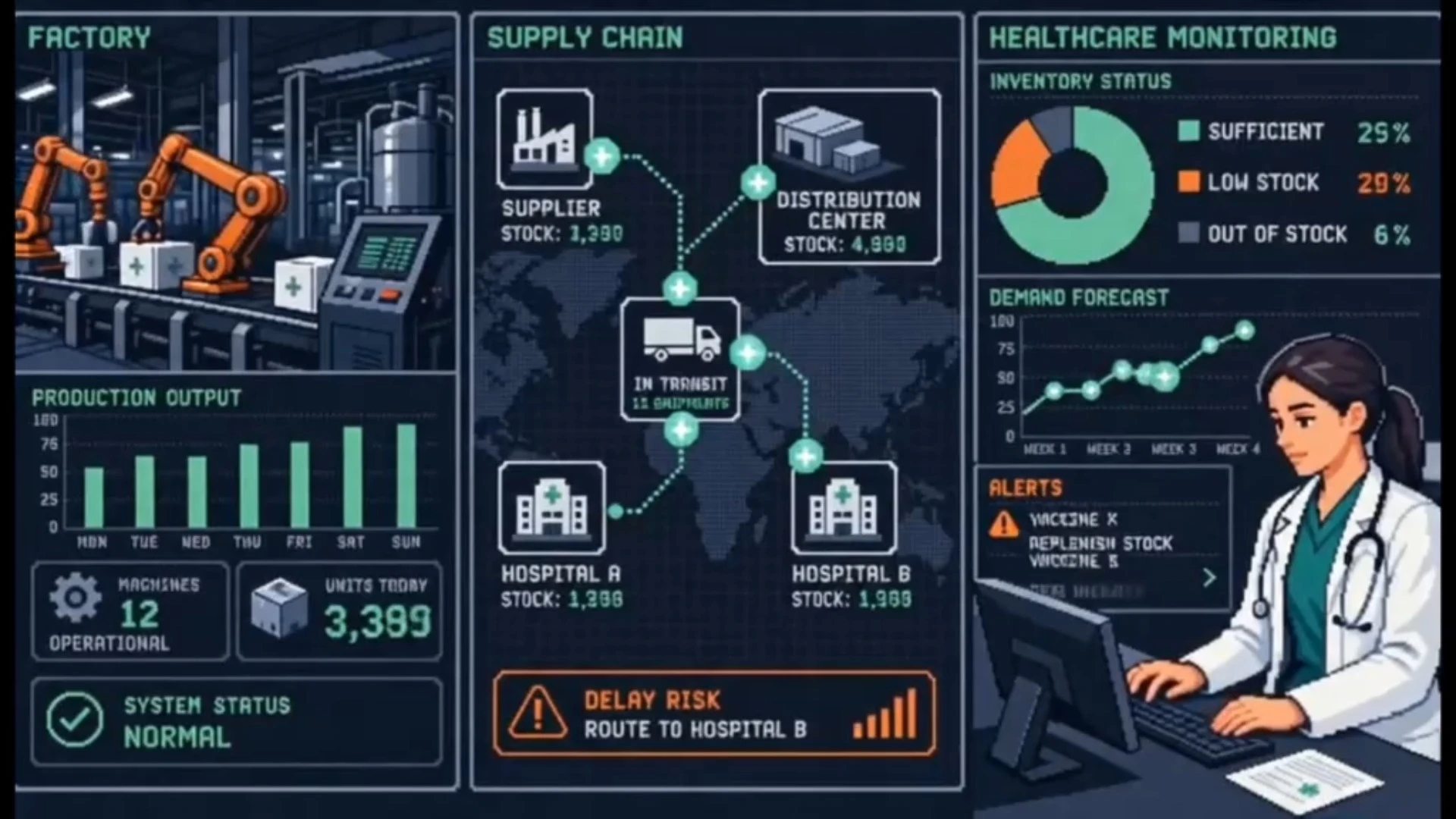
Welcome to the Pattern Recognition Economy
As AI transforms the economics of information, the real value lies in recognizing patterns across all data sources to uncover insights that would otherwise remain hidden...even when that data spans organizational boundaries, crosses borders and jurisdictions, or resides at the edge.

Centralized Vs Federated Architectures
Enterprise AI has long assumed that better decisions require centralized data. As operational AI emerges, federated architectures are proving a better path, bringing intelligence to distributed data for faster, contextual, and trusted decisions.

Data Gravity and Enterprise AI
AI is creating a new Data Gravity challenge and its a 3 body problem: data increasingly resists centralization, decisions require distributed context, and the cost of moving information keeps rising.
.jpg)
Earley AI Podcast with Axonis CEO Todd Barr
Seth Earley and Axonis CEO Todd Barr explore a fundamental question facing enterprise AI: does data really need to be centralized before it can create value?